
Become a Better
Problem Solving
Leader
Team
Organization


Your Challenge
How often does your team work through challenges with genuine clarity, real alignment, and a clear path forward?
You can probably point to times when it works. The harder question is why it does not work consistently. Your best people produce different outcomes depending on the day, the dynamic, and how the conversation unfolds.
Some voices may dominate while others hold back. People may nod along in the room and quietly diverge in execution. The same issues resurface under new names, and past learnings that could have prevented them were never captured effectively.
It’s not a talent problem. It’s a process problem. And it’s costing you more than you can easily measure.
Introducing The Problem Solving Operating System (ProOS)
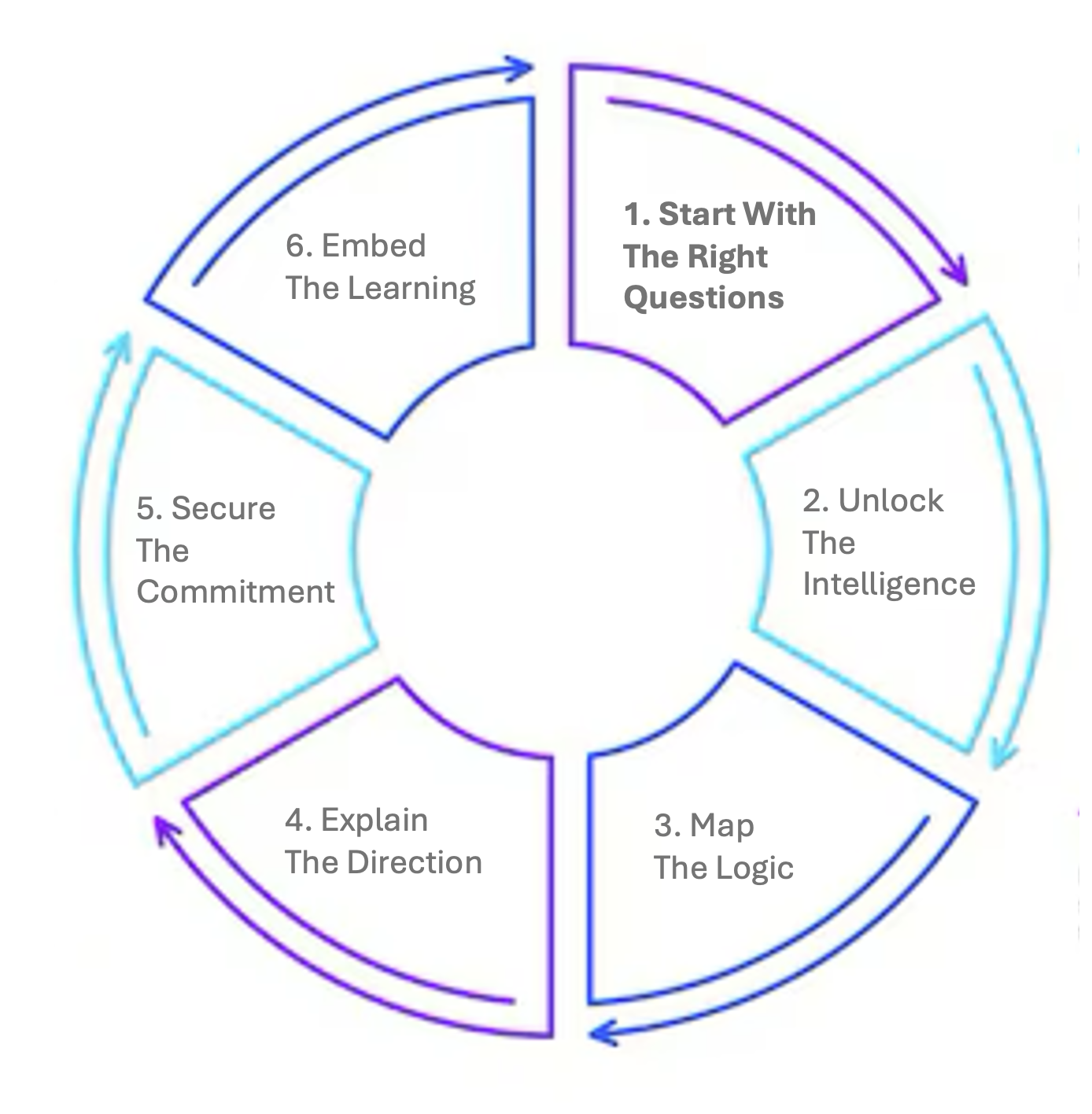
ProOS is a six-principle operating system for how your organization identifies, works through, and learns from its most important challenges.
Developed in collaboration with Dr. Mark Klein of the MIT Center for Collective Intelligence, ProOS is grounded in decades of research into how groups of people actually think together. It treats problem solving as a managed process, not an informal one.
Each principle is backed by the practices, agreements, and tools that deliver more effective problem solving to every team, by design.
How To Engage
We Facilitate. You Solve.
Bring us your most pressing challenge. We run structured sessions using ProOS, drawing out the full intelligence of your team and building toward a clear direction with genuine alignment behind it. Offsites, strategic planning, cross-functional alignment, high-stakes decisions. [Work With Us]

Run It With Our Platform
The WASHI platform is purpose-built to support every step of ProOS — from question definition to retrospective learning. Not a generic collaboration tool but a system pupose designed to consistently enable ProOS for problem solving teams and organizations. [See the Platform]
Why ProOS Helps Your Team Solve It Better
Question first, answers later Every challenge starts by defining the right questions. Most teams skip this entirely — arriving with a preferred answer already forming and spending their time debating it. This single shift changes everything downstream.
More intelligence, fewer politics Author-blind input and shared argument mapping surface the thinking that status, timing, and habit typically suppress. Ideas are shared. Concerns surface. And even the quietest person in the room feels heard.
Learning compounds. Every resolved challenge is captured in a living archive and playbook library. The next team facing a similar challenge starts from a stronger foundation than the last one did. The organization gets smarter with every problem it solves.